 +91-8980395663
 info@njhospital.co.in
 Hanspura, Ahmedabad, Gujarat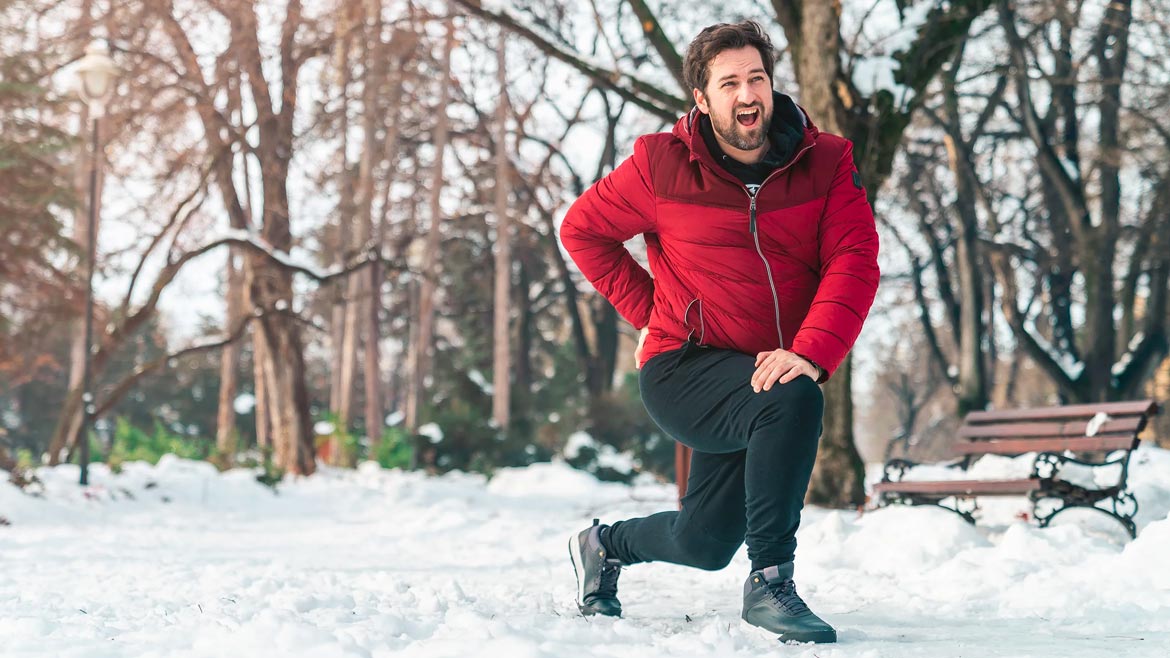
Spine Problems in Winter: Symptoms, Causes, and Prevention Tips
Winter can significantly affect spine health, especially for people who already suffer from back or neck issues. Cold temperatures, reduced physical activity, and muscle stiffness can worsen existing conditions and trigger new discomfort. Spinal disorders often flare up during winter due to changes in weather and lifestyle.
Why Spine Problems Increase in Winter
Cold weather causes muscles, ligaments, and joints around the spine to become tight and less flexible. This stiffness reduces blood circulation, increases muscle spasms, and places extra pressure on the spine—leading to pain and restricted movement.
Common Symptoms of Spine Problems in Winter
Spine-related symptoms may vary in intensity but are often more noticeable in cold months:
-
Persistent back or neck pain
-
Stiffness, especially in the morning
-
Reduced flexibility or difficulty bending
-
Muscle spasms
-
Tingling or numbness in arms or legs
-
Pain radiating to shoulders, hips, or legs
-
Increased discomfort after sitting or inactivity
⚠️ Severe pain, weakness, or numbness should be evaluated by a specialist immediately.
Causes of Spine Problems in Winter
Several factors contribute to worsening spine issues during colder months:
-
Cold-Induced Muscle Stiffness
Low temperatures reduce muscle elasticity, increasing the risk of strain and spasms. -
Poor Posture
Slouching due to heavy winter clothing or prolonged sitting indoors puts extra stress on the spine. -
Reduced Physical Activity
Lack of movement weakens core and back muscles that support the spine. -
Degenerative Spine Conditions
Conditions like disc degeneration and arthritis tend to worsen in cold weather. -
Sudden Movements or Slips
Slipping on wet or icy surfaces can cause spine injuries or muscle strain. -
Vitamin D Deficiency
Limited sunlight exposure in winter may weaken bones and muscles.
Who Is More at Risk?
-
Elderly individuals
-
Office workers with prolonged sitting habits
-
People with previous spine injuries
-
Patients with arthritis or disc-related problems
-
Individuals with sedentary lifestyles
How to Protect Your Spine in Winter
-
Keep your back and neck warm with proper clothing
-
Maintain correct posture while sitting and sleeping
-
Stay active with gentle indoor exercises and stretching
-
Use proper footwear to avoid slips and falls
-
Ensure adequate nutrition, including calcium and vitamin D
-
Avoid sudden jerky movements