 +91-8980395663
 info@njhospital.co.in
 Hanspura, Ahmedabad, Gujarat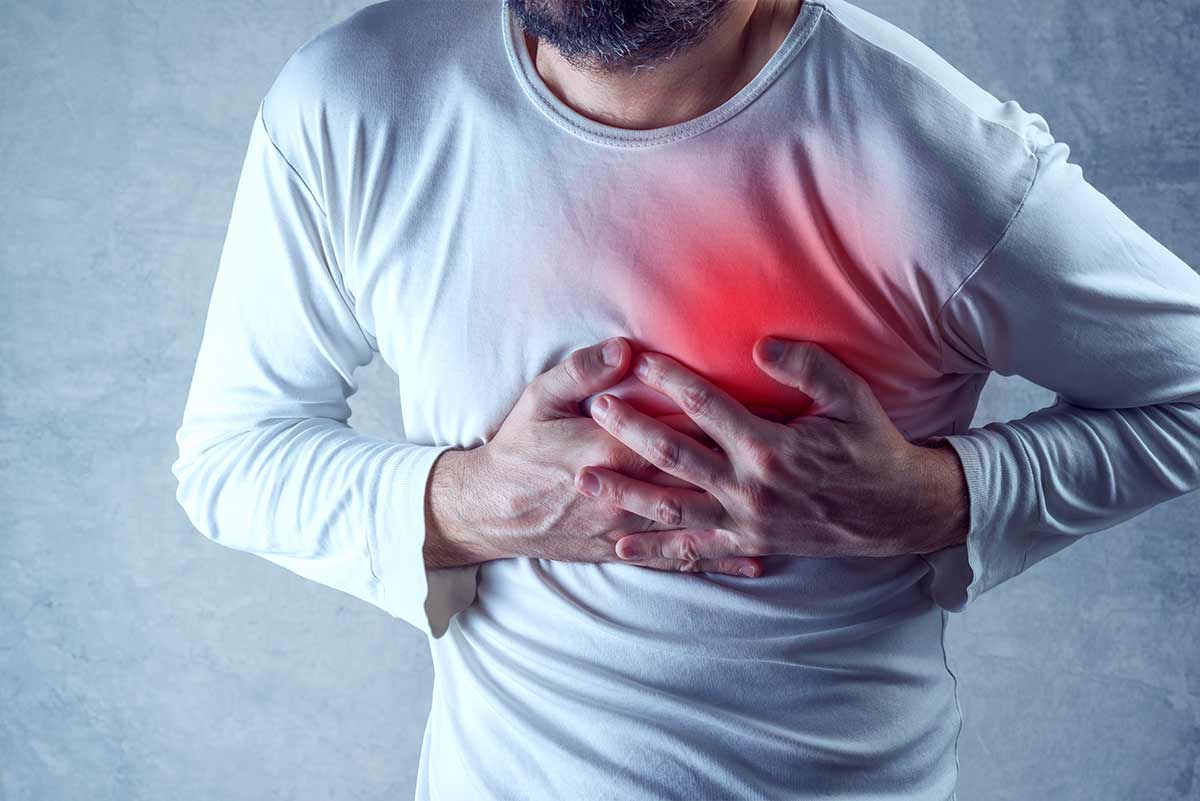
Chest Pain Problems in Winter: Symptoms, Causes, and When to Worry
Chest pain during winter is a common but serious concern that should never be ignored. Cold weather can trigger or worsen chest discomfort due to increased strain on the heart and lungs. While some causes are mild, others may be linked to serious conditions like Angina pectoris or heart attack. Understanding the symptoms and causes can help you act quickly and protect your health.
Why Chest Pain Increases in Winter
In cold temperatures, blood vessels narrow (vasoconstriction) to conserve body heat. This raises blood pressure and reduces oxygen supply to the heart, making chest pain more likely—especially in people with underlying heart or lung conditions. Winter infections, inactivity, and lifestyle changes further add to the risk.
Common Symptoms of Chest Pain in Winter
Chest pain may feel different from person to person. Watch for these symptoms, particularly in cold weather:
-
Tightness, pressure, or heaviness in the chest
-
Sharp or burning chest pain
-
Pain spreading to the left arm, shoulder, neck, jaw, or back
-
Shortness of breath
-
Cold sweating
-
Dizziness or nausea
-
Palpitations (fast or irregular heartbeat)
⚠️ Sudden or severe chest pain should be treated as a medical emergency.
Causes of Chest Pain in Winter
Chest pain during winter can arise from several heart and non-heart-related causes:
-
Cold-Induced Blood Vessel Constriction
Reduced blood flow to the heart can trigger angina or heart-related chest pain. -
Heart Problems
Conditions such as coronary artery disease are more likely to worsen in winter. -
Respiratory Infections
Coughing due to flu, bronchitis, or pneumonia can cause chest muscle strain and pain. -
Acid Reflux (GERD)
Heavy winter meals and lying down after eating can cause burning chest pain. -
Muscle and Joint Pain
Cold weather can stiffen chest wall muscles, leading to pain while moving or breathing. -
Anxiety and Stress
Seasonal stress and panic attacks may mimic heart-related chest pain.
Who Is at Higher Risk?
-
Elderly individuals
-
People with heart disease, diabetes, or high blood pressure
-
Smokers
-
Those exposed to extreme cold
-
Individuals with a sedentary lifestyle
How to Reduce Chest Pain Risk in Winter
-
Keep yourself warm, especially the chest and neck
-
Avoid sudden exposure to extreme cold
-
Eat light, heart-healthy meals
-
Stay physically active with indoor exercises
-
Manage stress and get enough sleep
-
Monitor blood pressure, sugar, and cholesterol levels