 +91-8980395663
 info@njhospital.co.in
 Hanspura, Ahmedabad, Gujarat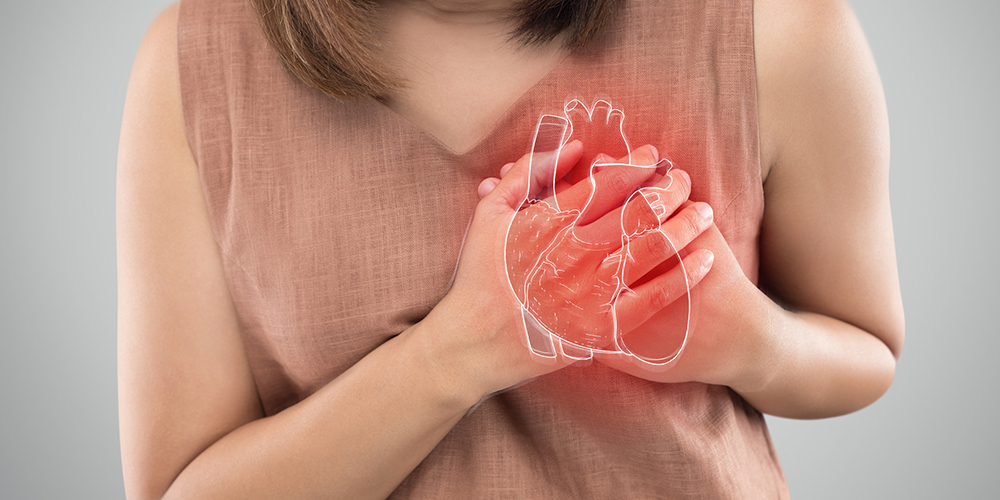
Heart Problems in Winter: Symptoms, Causes, and Prevention
Winter can be a challenging season for heart health. Cold temperatures put extra strain on the cardiovascular system, increasing the risk of heart-related issues—especially in older adults and people with existing conditions. Cardiovascular diseases tend to worsen during winter due to environmental, lifestyle, and physiological changes.
Why Winter Affects Heart Health
In cold weather, blood vessels constrict to preserve body heat. This narrowing increases blood pressure and makes the heart work harder to pump blood. Additionally, winter habits such as reduced physical activity and unhealthy eating can further increase cardiac risk.
Common Heart-Related Symptoms in Winter
Heart symptoms may be subtle or sudden. Watch out for the following warning signs, especially during cold days:
-
Chest pain or discomfort
-
Shortness of breath
-
Palpitations or irregular heartbeat
-
Excessive sweating (cold sweats)
-
Fatigue or weakness
-
Dizziness or lightheadedness
-
Pain radiating to the left arm, jaw, or back
⚠️ These symptoms should never be ignored, as they may indicate a serious heart condition.
Causes of Increased Heart Problems in Winter
Several factors contribute to higher heart risk during the colder months:
-
Cold-Induced Vasoconstriction
Cold weather causes blood vessels to tighten, raising blood pressure and cardiac workload. -
High Blood Pressure
Blood pressure naturally tends to rise in winter, increasing the risk of heart attack and stroke. -
Reduced Physical Activity
People often exercise less in winter, leading to weight gain and poor cardiovascular fitness. -
Unhealthy Winter Diet
High intake of salty, fatty, and sugary foods negatively affects heart health. -
Respiratory Infections
Flu and respiratory illnesses can put added stress on the heart. -
Existing Medical Conditions
Individuals with diabetes, hypertension, or previous heart disease are more vulnerable in winter.
Who Is at Higher Risk?
-
Elderly individuals
-
People with a history of heart disease
-
Patients with diabetes or high blood pressure
-
Smokers
-
Those exposed to extreme cold without proper protection
Tips to Protect Your Heart in Winter
-
Keep your body warm, especially chest and extremities
-
Maintain regular light-to-moderate exercise indoors
-
Eat a heart-healthy diet rich in fruits, vegetables, and whole grains
-
Monitor blood pressure and cholesterol regularly
-
Manage stress and get adequate sleep
-
Avoid smoking and excessive alcohol consumption