 +91-8980395663
 info@njhospital.co.in
 Hanspura, Ahmedabad, Gujarat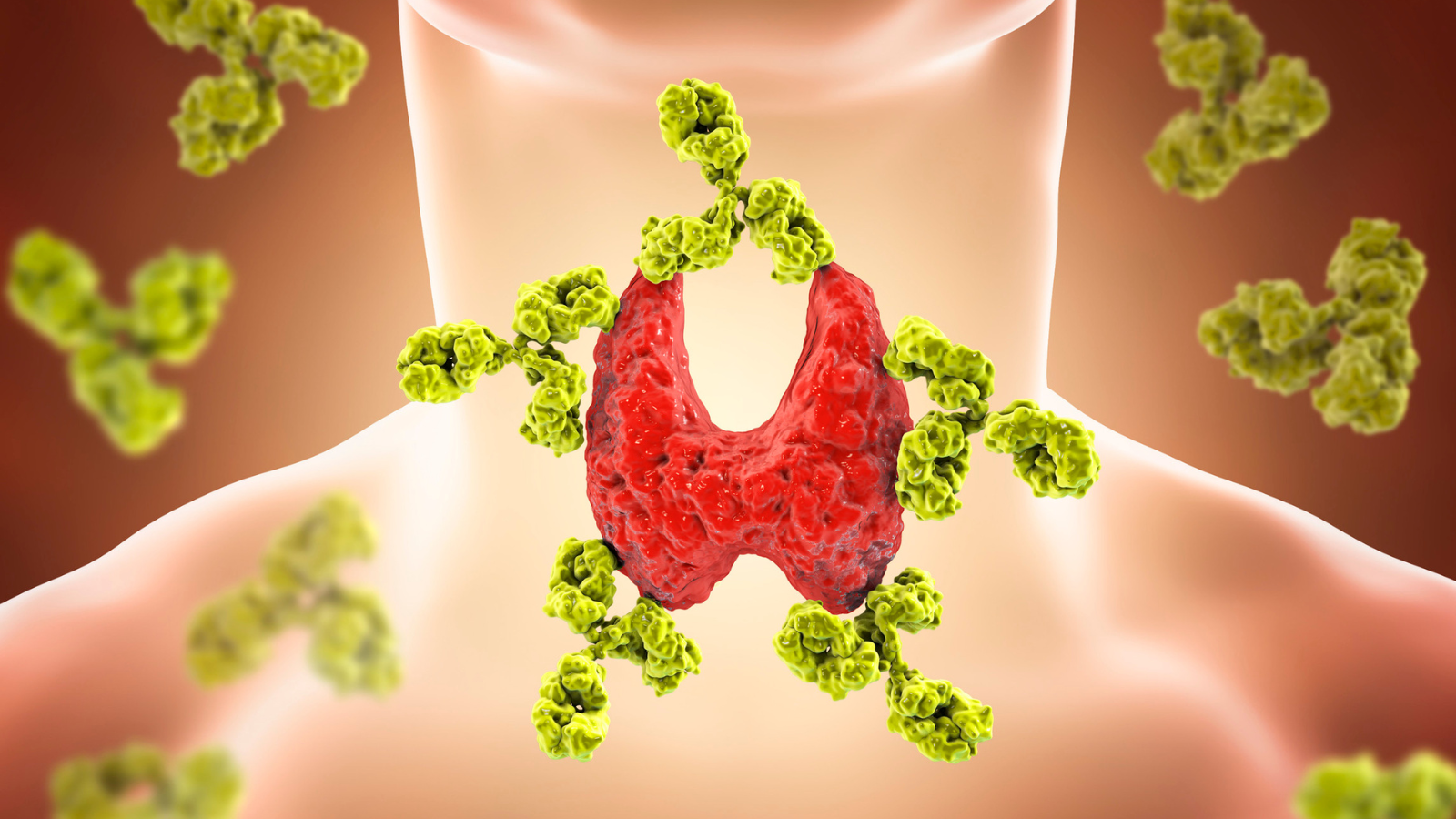
Thyroid Problems: Symptoms, Causes, and Essential Information
Thyroid disorders are common hormonal conditions that occur when the thyroid gland does not function properly. The thyroid is a small, butterfly-shaped gland located at the front of the neck, and it plays a vital role in regulating metabolism, energy levels, body temperature, and overall hormonal balance. When the thyroid produces too much or too little hormone, it can affect many body systems.
What Is a Thyroid Problem?
The thyroid gland produces hormones (T3 and T4) that control how the body uses energy. Thyroid problems arise when there is an imbalance in these hormones, leading to either hypothyroidism (underactive thyroid) or hyperthyroidism (overactive thyroid).
Common Symptoms of Thyroid Problems
Symptoms may vary depending on whether the thyroid is underactive or overactive and often develop slowly.
General symptoms include:
-
Fatigue and low energy
-
Sudden weight gain or weight loss
-
Hair thinning or hair fall
-
Dry skin or excessive sweating
-
Mood changes, anxiety, or depression
-
Irregular menstrual cycles
-
Sensitivity to cold or heat
-
Swelling in the neck (goiter)
Causes of Thyroid Problems -
Thyroid disorders can develop due to several factors, including:
-
Hormonal Imbalance
Disruption in the production of thyroid hormones affects normal body functions. -
Autoimmune Diseases
Conditions where the immune system attacks the thyroid gland are a major cause. -
Iodine Deficiency or Excess
Iodine is essential for thyroid hormone production; imbalance can lead to dysfunction. -
Genetic Factors
A family history of thyroid disease increases the risk. -
Stress and Lifestyle Factors
Chronic stress, poor diet, and lack of sleep may contribute to thyroid imbalance. -
Pregnancy and Hormonal Changes
Thyroid problems are more common in women, especially during pregnancy or postpartum periods.
Importance of Early Diagnosis -
Early detection through blood tests such as TSH, T3, and T4 can help manage thyroid conditions effectively. With timely treatment, most thyroid disorders can be controlled, allowing individuals to lead a healthy and active life.